Water Day, every day

Why isn’t every day Water Day?” – Peter Gleick, on Twitter

Dear Readers,

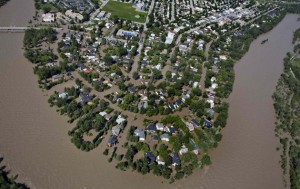
Taken by Judie Steeves for her article "Myth of Abundance" in the Kelowna Capital News

Canada Water Week, and World Water Day (March 22) have come and gone, and I hope you all took the opportunity to lift a long, cool glass and marvel at the wonder and privilege to have such a beautiful, precious thing flow freely from our taps.  Nonetheless, this seems a good opportunity to celebrate progress in the year past, to look at where we’ve fallen behind, and to make plans for the future.

First, I want to apologize for the long blog-drought on Building Bridges. Over the past few months I’ve been taking time for family: the short illness and peaceful passing of my father. He had a great love for this blog, and I often thought of him while writing – to educate and entertain an intelligent, caring member of the public. In that spirit, I continue. Continue reading

Share

Lessons from Sandy: disaster isn’t our only option

Do we renovate? Of course we renovate,” Ms. Fisher said. “But what if it happens again, next year and the year after?” – NY Times, 11/23/2012.

Unpleasant Weather: Mother Nature gave us a good smacking in 2012, as if to say “Smarten up! Get your act together!” Here in B.C., outrageous spring rainfall brought terrible mud-slides. All summer in the U.S. and Central Canada, there were devastating droughts. Windstorms knocked out power for millions of people during record heat waves.

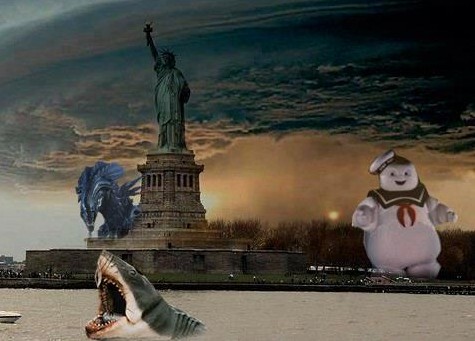
Not everyone in Manhattan was taking Hurricane Sandy seriously.

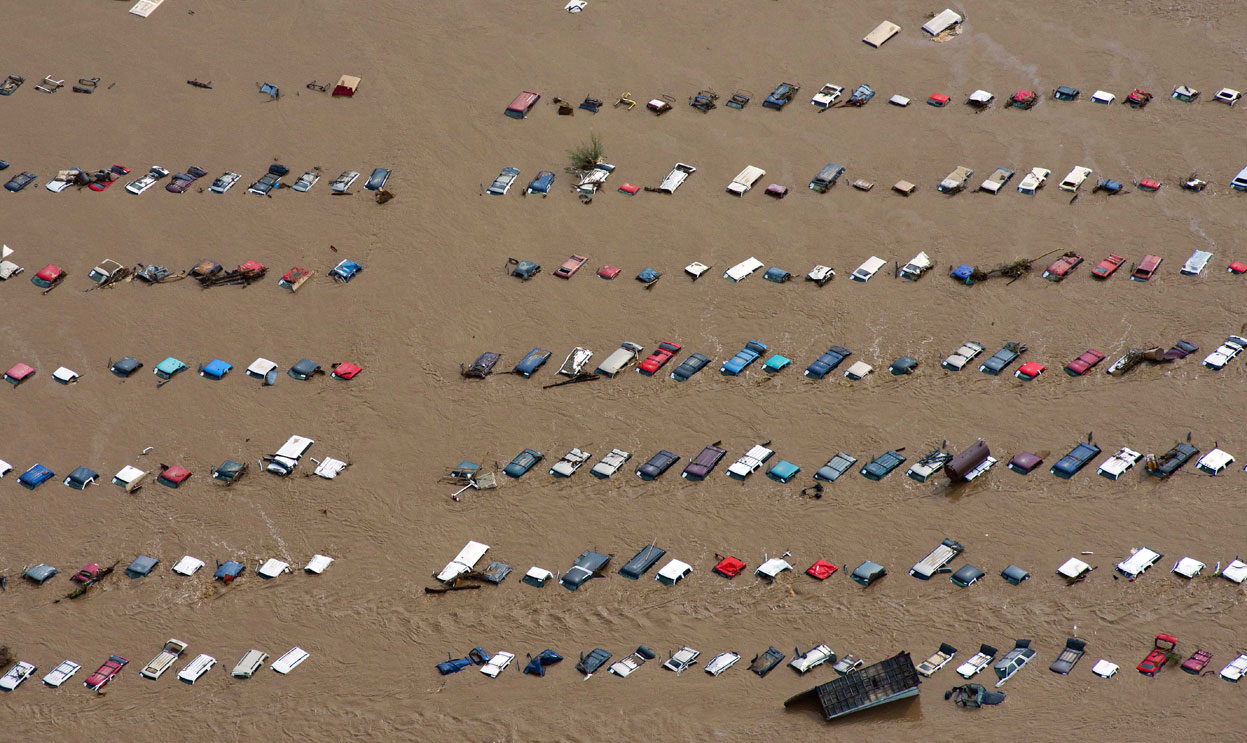
When Hurricane Sandy came around, the Onion, a satirical newspaper, published an article headlined, “Nation suddenly realizes this is just going to be a thing that happens from now on.” FEMA appealed for extra flood-relief funds from Congress, President Obama called for insurance companies to do their part, and clean-up efforts began.

If we really accept that “this is just going to be a thing that happens,” now is a good time to revisit our development planning. We really don’t have to live like this. Change is daunting, but doable.

. Continue reading

Share

The Dirt Makes the Difference.

“Political stability, environmental quality, hunger, and poverty all have the same root. In the long run, the solution to each is restoring…the soil.” Rattan Lal

Soil/Water Conservation: Coming in from the garden this weekend, I went straight to the sink to wash my hands. Carefully turning off the tap while soaping, I readjusted the faucet, and rinsed off the gritty brown lather.

Ironically, it is the dirt, not the act of turning off the tap, that really saves water. Yes, my friends, some of the most effective things for water conservation are not the most intuitive. The soil in our yards and gardens is one of the most powerful forces we have for water conservation and pollution prevention.

Not that I shouldn’t wash my hands regularly and with care.

Continue reading

Share

The Value of Water

I conceive that the great part of the miseries of mankind are brought upon them by false estimates they have made of the value of things.” – Benjamin Franklin

Expensive On Other Planets:  In Salt Lake City, I once met an exobiologist who studied the bacteria that live under the Antarctic ice-sheet. Camping in a tent, she spent her days diving into holes in frozen lakes to collect samples. She told me it was a “Mars model,” considered one of the few places on earth that can approximate extraterrestrial conditions.

NASA’s latest mission just spent $2.5 billion dollars to actually look for water on Mars. Its simple presence is a signal that life can exist, whatever planet you are on. Whether or not one feels this is money well spent, it shows the lengths we’ll go and the money we’ll spend on water. Continue reading

Share

Getting beyond inertia and disaster-driven policy response

This is your time and it feels normal to you, but really there is no normal.  There’s only change and resistance to it and then more change.“ –  Meryl Streep

I’ve been writing about change lately – change in climate and population. But it will take even more change to adapt to new conditions.  The challenge is knowing where we are vulnerable and how to respond, so we can protect the things we love.  But how do we get through the inertia to action?

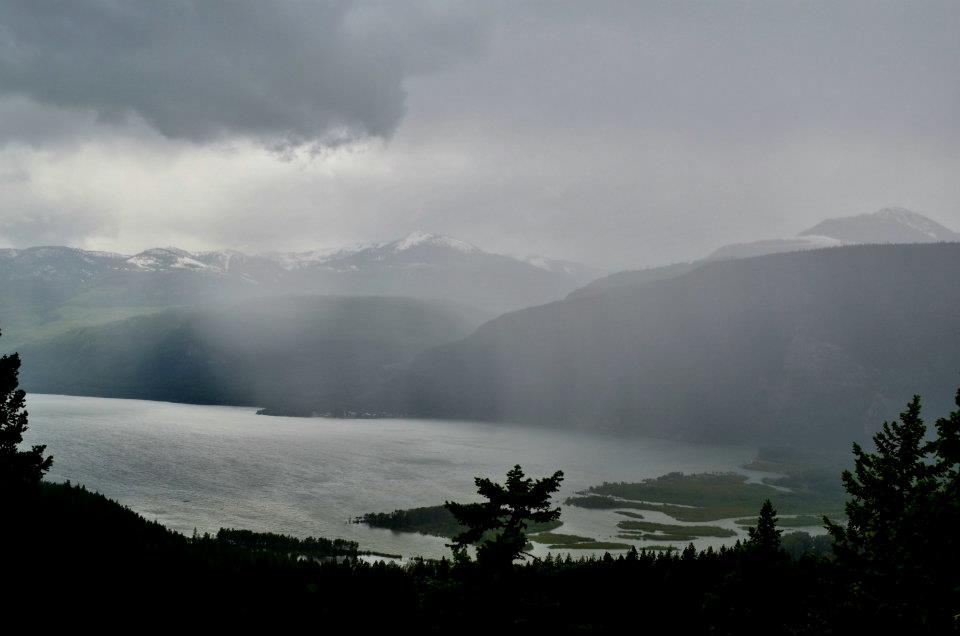
Summer rains on Kootenay Lake - photo taken a few days before and a few kilometres north of the Johnson's Landing slide. Courtesy of Brynne Herbison.

It’s as true for individuals as whole communities.  People tend to trust their odds for most things – but suddenly, without warning, the ground can shift beneath us.

I’ve been deeply unsettled by news of the mudslide in Johnson’s Landing last week – a place I’ve visited often.  A tragedy is the worst kind of catalyst for change. Continue reading

Share

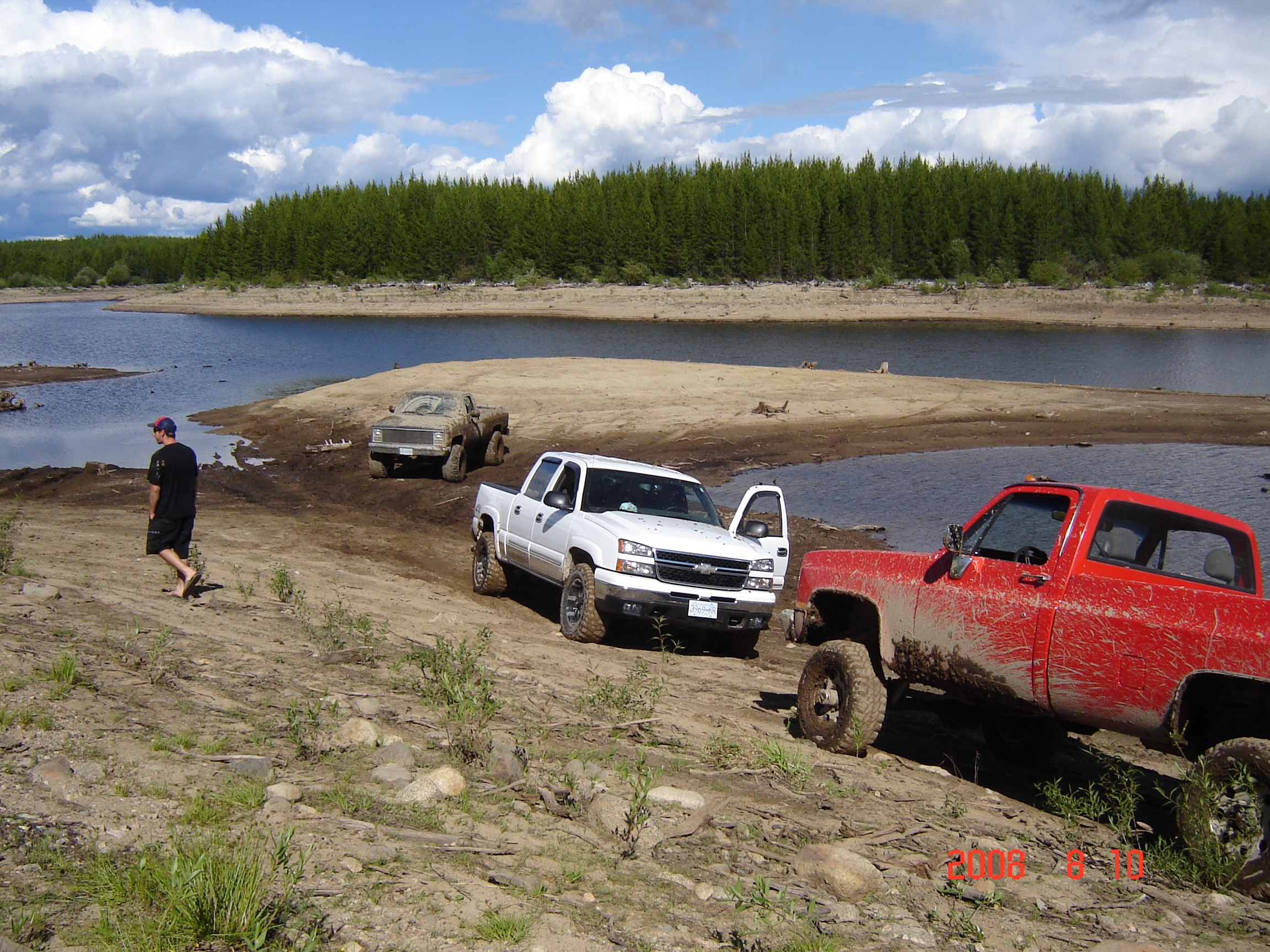
Mud-bogging and other ways we love the land too hard

 “And now you can’t even take your rubber off the road without getting a fine or be accused of tearing up delicate marshland water sheds or creeks… some people love driving a truck thru the mud getting stuck. And having someone of the same let’s call it sport pulling them out.”Kelowna mudbogging forum

Mud bogging trucks in a drinking water reservoir - photo courtesy of Greater Vernon Water

When I start counting up the complex issues in watersheds, I run out of numbers. 

In a province of 4,618,777 people (as of today), our love of the great outdoors is wearing heavy on the landscape.

My last post was about people, climate change, and water use – with perhaps 30-45% population growth within the next generation. The cummulative effect of having more people depends on where and how we live.

It’s a similar story with people and pollution. Continue reading

Share

Weddings, weird weather, and where to fit everyone

Do not compute the totality of your poultry population until all the manifestations of incubation have been entirely completed.” – William Jennings Bryan

I’m calling 2012 “the year of weddings and babies” – there are dozens popping up on my facebook.  It’s also the year of the dragon, and my friend from China says many couples purposely plan and wait to have “dragon babies.” There’s a feeling of exuberance in the air.

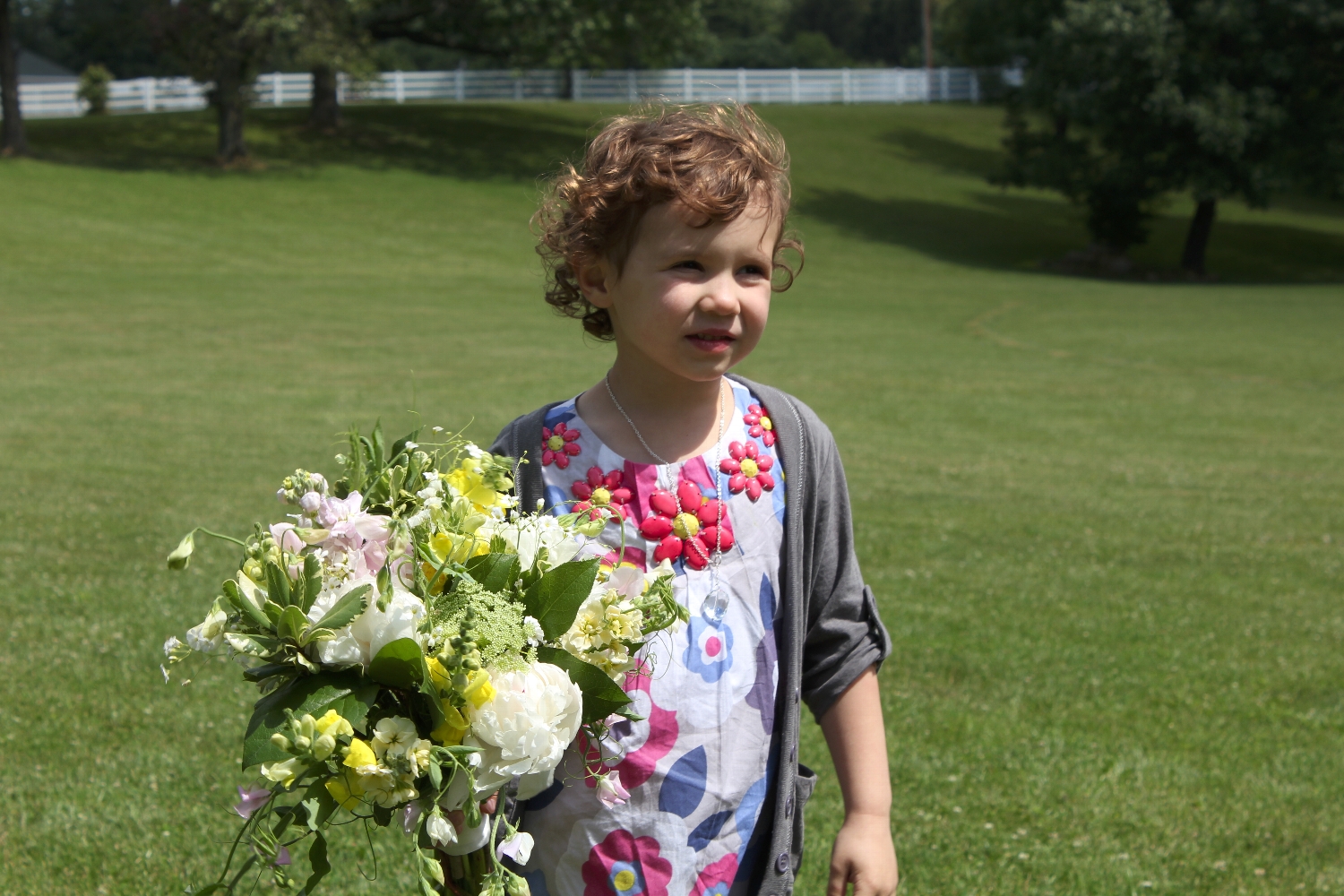
Flower girl Noli, at a June wedding.

And so, with celebration, the population grows. Much has been written about global carrying capacity, but we are human, here and now.

Where will everyone live? Some are moving here - BC Stats says 45% more for the Central Okanagan by 2036 – maybe 70,000 or 80,000 new people. Other regional districts may grow more slowly, but this seems like a good proxy for growth up and down the urban core of the valley.

It’s a beautiful place to be. We actively try to attract young families and workers; and the retirees come with little coaxing. It’s part of a great global migration.

And what about the water? This year there is no lack of rain, but it always pays to be thoughtful about essential resources. As we have more people, we’ll need more clean drinking water, and more fresh fruit and vegetables.We’ll have more neighbours to feel the effects of floods and shortages, and more of us will be out hiking and biking in the watershed. We’ll have bigger demands for lumber and gravel, more boats on the lake, more everything. Continue reading

Share

Lift a long, cool glass of gratitude

It isn’t pollution that’s harming the environment. It’s the impurities in our air and water that are doing it.” – Dan Quayle

Crammed in a cab with Bob Sanford and David Brooks, listening to adventure stories about Middle East river agreements.  I jumped in with one of my few international water anecdotes. “An Ethiopian hydrologist told me that water security – for them – is five litres a day, per person, within a three kilometre walking distance.”

A Kenyan farmer, building a catchment for her water supply. Photo credit: Eva Kaye-Zwiebe

The driver gave a derisive cough. “That guy must have been from the countryside,” he said, shaking his head. “I’m from Addis Ababa. We used at least six litres, and we didn’t have to walk for it.”

Strolling from kitchen to bathroom, I might use 100 litres of pure, fresh water a day without giving a second thought. If I wander out and turn on my sprinklers, that might go to 1000. And I’m average!

Let’s raise a glass to drinking water: so cheap, so abundant, we wash our cars with it. If it weren’t for the empty plastic bottles lying around, water would be almost invisible.

Back at home, I asked some guys next to me at a restaurant what they thought about drinking water. “We don’t think about it. We don’t want to. We just want to be able to get it.” Tommy and Ken were executives from the auto industry, and after some discussion, they admitted to being skeptical about climate change, but aware there were problems out there. “Without water there’s no life. Look at the Dead Sea, it’s dying!” Continue reading

Share

Learning from the landscape: cultivating a sense of place in the Okanagan.

I love a sunburnt country, a land of sweeping plains, of ragged mountain ranges, of droughts and flooding rains.” Dorothea Mackellar

If you want to understand water in the Okanagan, don’t look at the lake, look at the hillside.

Above the lakes and vineyards, the beauty of the Okanagan is marked by sparseness.

Sometime last week, I found myself scrambling up a rocky slope near Okanagan Falls – skirting patches of cactus, breathing heavily, but managing to keep up. It was late afternoon and we were trying to make it to the rattlesnake den before dark.

Off toward Skaha Lake, swallows circling on the updrafts; underfoot, wildflowers exploding through the sagebrush and bunchgrass: shootings stars, locoweed, and tiny desert annuals with almost-remembered Latin names.

This is a dry, bony landscape.

Although my work has led me to water, for a long time I was a student of the desert – how life hangs on in these harsh conditions.

This huge mother snake waited unperturbed while Brock Dolman took her picture.

That afternoon, the snakes cooperated. We saw five or six, coiled in rest, or moving slowly to deeper crevices – there were a few gentle rattles, but we’d come in peace and with an attitude of respect. I let the herpetologists lead the way, keeping a conservative distance.

Just as the light began to fail the clouds opened up, and we ran back to the house in the rain. Continue reading

Share

Nature is a tough mother: adventures in water supply and demand

Live in the questions, and gradually, and almost without noticing, you will enter the answers and live them also.” – Rainer Maria Rilke

What does water sustainability look like?  How will we know when we get there?

With climate now a moving target, sustainability – as a concept – may lend a false sense of future security.

These green pastures probably aren’t a place we actually arrive – a utopia of living roofs, light rail, and urban agriculture. Instead, I’ve been trying to think of sustainability as adapting to whatever change happens – while protecting the systems of our little planet for those who come later.

“Resilience” captures the same idea – the capacity to rebound and rebuild after a forest fire, or like our immune systems, to keep us healthy in a world of germs.

For water management – like everything – to reach a state of readiness, we need to start with what we know, pursue the “known unknowns,” and (hopefully) reveal the unknowns we’ve never considered.

In this spirit, over the past six years, a group of agencies and researchers has undertaken a water supply and demand assessment of the Okanagan: looking for practical paths forward, so that decisions can be based on science, information gaps are uncovered, and we get a better idea of what to expect from climate change.

There is a lot of history. The Okanagan has had water shortages since irrigated agriculture arrived more than 100 years ago. In the past, we’ve taken a supply-side approach, building dams and diversions and drainage ditches. But if anything, the balancing act has become more difficult.

The challenge is the inexorability of change. More people come in, more fields are planted, and we start to recognize that fish want water too. Town councils ask, “Is there a real concern? Are we going to run out of water?” Continue reading

Share